Holiday Travel Wellness - Stretches and Posture Tips for the Road
Holiday travel can be one of the most enjoyable parts of the season, but hours in a vehicle or airplane seat may leave your body feeling tight before you reach your destination. Whether you are taking a road trip to see loved ones or flying out for a holiday visit, staying in one position for too long can place added stress on your muscles and joints.
The encouraging news is that staying more comfortable does not require a complicated workout routine. A few easy stretches, brief movement breaks, and mindful posture can help reduce travel-related stiffness. Taking a minute or two to reset throughout the day may help you arrive feeling more mobile and ready to enjoy your time with family and friends.
Why Sitting During Travel Can Cause Stiffness
Long stretches of sitting can affect the body more than people realize. Behind the wheel or in an airplane seat, the hips stay bent for extended periods while the upper body often rounds forward. This position can contribute to tension in the hip flexors, low back, chest, and shoulders.
When muscles are not regularly moving through their usual range of motion, they can begin to feel less flexible. After several hours of travel, it is common to notice discomfort in the neck, hips, or back when standing up. Building in regular movement can help address that tightness before it becomes more persistent.
At Joy Chiropractic, we often help patients in Collegedale and the Greater Chattanooga area understand how everyday posture and movement habits affect their comfort. Simple travel habits can complement a holistic approach to chiropractic care by helping your body stay active during long periods of sitting.
Road Trip Stretches That Help You Reset
Long drives can leave your joints feeling restricted and your muscles fatigued, especially when you remain in the driver’s seat for hours at a time. Planning regular stops gives you an opportunity to walk, change positions, and give your body a quick reset.
At a fuel stop or rest area, try a runner’s lunge to gently lengthen the front of the hip. Prolonged sitting can make the hip flexors feel especially tight, and even a short stretch may help restore more comfortable movement before you return to the road.
You can also counter the forward-leaning position of driving by opening the front of your upper body. Place your hands on a stable wall or surface, reach upward, and gently move your chest forward. This movement may ease the tension that tends to gather across the shoulders and chest during a drive.
For another chest-opening stretch, stand beside a wall or doorway with your elbows bent at approximately 90 degrees and your forearms against the surface. Lean forward slowly until you feel a mild stretch through your chest. This can help offset the rounded-shoulder posture that frequently develops on long road trips.
While driving, only when it is safe to do so, take a moment to sit tall and gently draw your shoulder blades toward one another. These small posture resets can discourage slumping and support better alignment throughout the trip.
Simple Ways to Stay Comfortable on a Flight
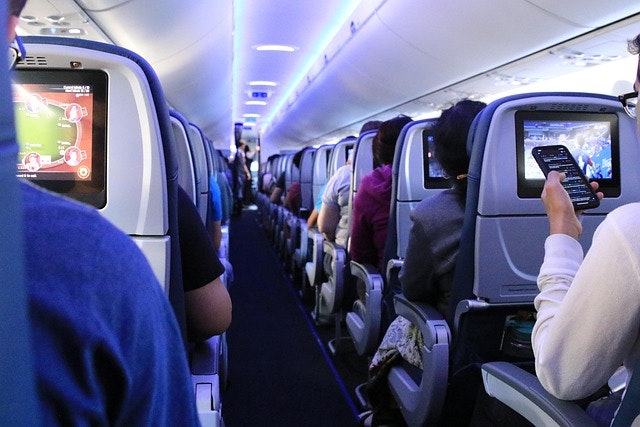
Air travel can create similar challenges, often with less room to move. Hours in a confined seat may leave the joints feeling stiff and can make the body feel sluggish by the time you land.
A quick movement routine about once an hour can make a meaningful difference. Slowly roll your shoulders forward and backward, then move your neck gently through a comfortable range of motion. These small actions can help relieve upper-body tension that commonly builds during a flight.
Your hips benefit from movement as well. While seated, bring one knee toward your chest at a time to create a gentle hip stretch. Move carefully and stay within a comfortable range rather than forcing the position.
Your feet and ankles need attention during long flights, too. Rotate each ankle and pump your feet up and down periodically. These low-space movements can encourage circulation and help your lower legs feel less stiff after landing.
Posture Matters During Every Part of the Journey
Stretching is valuable, but posture also plays an important role in travel comfort. Paying attention to your position can reduce unnecessary strain on the neck, shoulders, and upper back.
One common habit is allowing the head to drift forward while driving, reading, or looking down at a phone. As the head moves ahead of the shoulders, the neck muscles have to work harder to support it. Over time, that added demand may contribute to tightness through the neck, upper back, and shoulders.
Whenever possible, aim to keep your ears positioned over your shoulders. This simple cue can promote a more balanced spinal position and lessen the strain associated with forward-head posture.
A gentle chin tuck can also be useful for resetting your posture. Draw your chin straight back slightly, hold for a few seconds, and then relax. Repeating this movement periodically may help relieve neck tension before it builds during your trip.
Brief Movement Breaks Can Have a Lasting Impact
Travel stretches are practical because they require no equipment and very little time. Most can be completed in a minute or two, making them easy to work into a busy travel schedule.
Whether you are at a rest stop, in an airport terminal, or seated on a plane, short movement breaks keep your muscles from becoming increasingly tight. Moving consistently during the day is often more helpful than waiting until the end of the trip to address discomfort.
Making these small resets part of your routine may help you arrive feeling more relaxed, mobile, and prepared to enjoy the reason for your trip. This same focus on regular movement and body awareness is an important part of family chiropractic and long-term wellness.
When Travel Pain May Need Professional Attention
For many people, travel-related stiffness improves within a day or two after returning to normal movement and daily routines. Gentle stretching, regular activity, and better posture can often help the body recover after a long journey.
However, pain that lasts after the trip, restricts your movement, or does not gradually improve may need more attention. Ongoing discomfort can be a sign that your body needs more than temporary stretching to regain normal mobility and comfort.
Joy Chiropractic provides personalized, holistic chiropractic care for patients throughout Collegedale and the Greater Chattanooga area. Dr. Joy-Lynn Norris uses gentle chiropractic care and individualized injury care to help patients address pain, restore mobility, and support long-term wellness. For patients recovering from an auto accident, whiplash, or a work-related injury, we can also evaluate concerns that may be aggravated by long periods of sitting or travel.
If holiday travel leaves you with lingering stiffness or pain, contact Joy Chiropractic at (423) 298-1488 to schedule a personalized evaluation. Our team can help you take the next step toward moving more comfortably and feeling your best.